Selling your house for cash might sound too good to be true, but it comes with many benefits. From saving time to avoiding scams, choosing CASH FOR HOUSES can make the home-selling process a lot easier. Here are ten shocking benefits you need to know about.
Key Takeaways
- Open houses can help you get the best price for your home.
- Buying a house at an auction can be a quick way to get a good deal.
- Be aware of common real estate scams to protect your money.
- You can make a cash offer on a house even if you have a mortgage.
- Understanding what goes into a monthly mortgage payment can help you budget better.
1. OPEN HOUSE WITH HOME BUYERS
An open house is a great way for buyers to get a feel for a property, its location, condition, and amenities. Open houses can attract interested buyers and lead to an offer or alert the realtor to issues with the space that might be pointed out. Typically, a buyer will attend an open house to get a feel for a property and its location, condition, and amenities. Then, they’ll schedule a dedicated showing with their agent (or the listing agent) at which they’ll walk through the property and ask more specific questions.
Benefits of Open Houses
- Increased Exposure: Open houses increase the exposure of your property to other agents and buyers.
- First-Hand Look: These events give potential buyers a first-hand look at your home.
- Time-Saving: In-person experiences allow buyers to ask questions and express concerns, saving both parties time and energy.
Tips for a Successful Open House
- Market Your Home: Invest in traditional methods or list your home on real estate websites to increase exposure.
- Offer Favorable Terms: If you find a house ready to be thrown open to the public, offer just enough favorable terms to entice the seller to cancel the weekend showings and commit to your offer right away.
- Prepare Your Home: Make sure your home is clean and staged to make a good impression on potential buyers.
Hosting open houses and showings with buyers can be a game-changer in selling your home quickly and efficiently.
2. HOW TO BUY A HOUSE AT AUCTION: A GUIDE
Buying a house at auction can be an exciting way to get a great deal, but it requires careful planning and research. Here’s a simple guide to help you through the process.
Step 1: Find the Properties
Start by looking for auction listings in your area. You can find these online, in newspapers, or through real estate agents. Do your research to understand the market and the properties available.
Step 2: Drive by the Property
If possible, visit the property before the auction. This will give you a better idea of its condition and the neighborhood. Sometimes, you might not be able to enter the house, but even a quick drive-by can be helpful.
Step 3: Get Your Financing in Order
Before you bid, make sure you have your financing ready. This could mean getting pre-approved for a loan or having cash on hand. Auctions often require immediate payment, so be prepared.
Step 4: Confirm Auction Details
Check all the auction details, even on the day of the event. Auction dates and locations can change, so it’s important to stay updated.
Step 5: Bid with Confidence
On the day of the auction, arrive early and be ready to bid. Set a maximum price you’re willing to pay and stick to it. Bidding can be fast-paced, so stay calm and focused.
Buying a house at auction can be a thrilling experience, but it’s important to be well-prepared and informed. Follow these steps to increase your chances of success.
3. 19 COMMON REAL ESTATE SCAMS — AND HOW TO AVOID THEM
Navigating the real estate market can be tricky, especially with the rise of scams. Here are some common scams and tips to avoid them.
Wire Fraud
Scammers often pose as real estate agents or lenders, asking you to wire funds for your down payment or closing costs. Always verify the recipient’s details before transferring money.
Fake Listings
Some scammers create fake property listings to lure in potential buyers. Be cautious of deals that seem too good to be true and always verify the property’s existence.
Title Fraud
This involves someone fraudulently transferring your property title to their name. Regularly check your property records to ensure no unauthorized changes have been made.
Foreclosure Relief Scams
Scammers may offer to help you avoid foreclosure for an upfront fee but then disappear with your money. Always seek help from reputable sources.
Rental Scams
In these scams, fraudsters rent out properties they don’t own. Always verify the landlord’s identity and the property’s ownership before signing any agreements.
Bait-and-Switch
A scammer might show you one property but then pressure you into buying a different one. Stay firm on your choices and don’t be rushed into decisions.
Equity Skimming
This involves a scammer convincing you to sign over your property deed, promising to pay off your mortgage but then renting out the property and keeping the income. Never sign over your deed without thorough research and legal advice.
Home Improvement Scams
Fraudulent contractors may offer low-cost repairs but then demand more money or do subpar work. Always check references and get multiple quotes.
Loan Flipping
This scam involves repeatedly refinancing your loan, each time with high fees and points. Be wary of frequent refinancing offers.
Phantom Help
Scammers offer to help with your mortgage or foreclosure issues for a fee but provide no real assistance. Always verify the credentials of anyone offering help.
Straw Buyer
A scammer uses someone else’s credit to buy a property, leaving the victim with the debt. Never agree to use your credit for someone else’s purchase.
Appraisal Fraud
This involves inflating property values to secure larger loans. Always get an independent appraisal.
Moving Scams
Fraudulent moving companies may quote low prices but then hold your belongings hostage for more money. Always research moving companies thoroughly.
Reverse Mortgage Scams
Scammers target seniors with false promises about reverse mortgages. Always consult with a trusted advisor before agreeing to a reverse mortgage.
Deed Theft
This involves forging your signature to transfer your property to someone else. Regularly check your property records for unauthorized changes.
Foreclosure Rescue
Scammers promise to save your home from foreclosure but take your money and do nothing. Always seek help from reputable sources.
Fake Government Programs
Scammers may claim to offer government assistance programs that don’t exist. Verify any such offers with official government websites.
Overpayment Scams
A buyer sends a check for more than the asking price and asks you to wire back the difference. The original check then bounces. Never accept overpayments.
Unlicensed Agents
Some scammers pose as real estate agents without proper licensing. Always verify an agent’s credentials before working with them.
Staying informed and vigilant is your best defense against real estate scams. Always double-check details and consult trusted professionals when in doubt.
4. HOW TO MAKE A CASH OFFER ON A HOUSE WITH A MORTGAGE
Making a cash offer on a house, even if you need a mortgage, can give you an edge in a competitive market. Here’s how you can do it:
- Get Preapproved for a Mortgage: Before you start shopping, make sure you have a mortgage preapproval. This shows sellers that you are serious and capable of getting financing.
- Work with a Real Estate Agent: A good agent can help you find homes and make a cash or cash-backed offer on a property. They know the market and can guide you through the process.
- Use a Cash-Backed Offer: Some companies will purchase the home on your behalf with cash. Once your mortgage is approved, you buy the house from them. This makes your offer as strong as a cash offer.
- Show Proof of Funds: If you have savings or investments, provide proof of these funds. This reassures the seller that you can cover the down payment and other costs.
- Be Ready to Close Quickly: Sellers prefer buyers who can close fast. Being prepared to move quickly can make your offer more attractive.
Making a cash offer with a mortgage might seem tricky, but with the right steps, it can be done smoothly and effectively.
5. WHAT GOES INTO A MONTHLY MORTGAGE PAYMENT?
When you make a monthly mortgage payment, it’s important to understand what you’re paying for. Mortgage payments are made up of your principal and interest payments. If you make a down payment of less than 20%, you will be required to take out private mortgage insurance (PMI). This insurance protects the lender in case you default on the loan.
Principal and Interest
The principal is the amount you borrowed to buy your home. The interest is the cost of borrowing that money. Over time, as you pay down the principal, the amount of interest you owe each month will decrease.
Property Taxes
Property taxes are usually included in your monthly mortgage payment. These taxes are based on the value of your home and the tax rate in your area.
Homeowners Insurance
Homeowners insurance is also part of your monthly payment. This insurance covers damage to your home from events like fires or storms.
Private Mortgage Insurance (PMI)
If your down payment is less than 20%, you’ll need to pay for PMI. This insurance protects the lender if you can’t make your payments.
Other Costs
Don’t forget about other costs like utilities and maintenance. These are not part of your mortgage payment but are still important to budget for.
Remember, your mortgage isn’t your only ongoing housing expense. Be sure to factor in all costs when planning your budget.
6. SUMMER, FALL, WINTER, SPRING: HOW DO SEASONS AFFECT HOMEBUYING?
Choosing the right season to buy a house can make a big difference. Which season is best for homebuying depends on your preferences. Each season has its own pros and cons.
- Spring and Summer: These seasons have more houses for sale, but prices are usually higher. The weather is nice, making it easier to move and inspect homes.
- Fall and Winter: There are fewer houses on the market, but you might get a better deal. Sellers are often more motivated to close the deal quickly.
| Season | Pros | Cons |
|---|---|---|
| Spring/Summer | More inventory, good weather | Higher prices, more competition |
| Fall/Winter | Lower prices, motivated sellers | Fewer options, bad weather |
During the fall and winter, there are fewer homes available, but you might find a great deal because sellers are eager to sell.
In the end, the best time to buy a house is when it fits your needs and budget. Think about what matters most to you and plan accordingly.
7. THINGS TO IGNORE ON A HOUSE TOUR
When you’re touring a house, it’s easy to get distracted by certain elements that might not matter in the long run. Here are some things you should ignore:
- Staging and Furniture: One mistake that some first-time homebuyers make during a house tour is paying too much attention to the staging and decor of the home. Remember, these items won’t be there when you move in.
- Cosmetic Issues: Small issues like paint color or minor scratches can be easily fixed. Focus on the structure and layout instead.
- Seller’s Personal Items: Don’t let the current owner’s personal items distract you. Imagine the space as a blank canvas for your own belongings.
- Temporary Smells: Sometimes, homes have temporary smells from cooking or pets. These can usually be resolved with a good cleaning.
- Landscaping: While a well-kept yard is nice, don’t let overgrown grass or a few weeds deter you. Landscaping can be changed to fit your taste.
It’s important to focus on the bones of the house and not get sidetracked by temporary or changeable elements. This will help you make a more informed decision.
By keeping these points in mind, you’ll be better equipped to find a home that truly meets your needs.
8. 49 SURPRISING FACTS ABOUT BUYING A HOUSE
Buying a house can seem like an unattainable goal. Prices rise more quickly than incomes, and it can feel like you need perfect credit and thousands of dollars saved up for closing costs and a down payment to have even a chance of buying a home. But the complicated reality of buying a house can differ from what people new to the process expect going in, as shown by these surprising real estate facts.
- You don’t have to pay closing costs upfront.
- Many people think you need a huge amount of money saved for a down payment before you can even get started. But the facts about real estate transactions may offer a few surprises that make buying a home more affordable than you expect.
Good vibes: more than half of Americans (51%) associate homebuying with being excited. Many also associate homebuying with feeling proud (43%), motivated (32%).
- Four in five Americans believe owning a home is an important part of the American Dream.
- The average age of first-time homebuyers is 34 years old.
- You can buy a house with as little as a 3% down payment.
- Some states offer down payment assistance programs.
- You can negotiate the price of a home.
- Pre-approval for a mortgage can speed up the buying process.
- Home inspections are optional but highly recommended.
- You can back out of a deal if the home inspection reveals major issues.
- The seller usually pays the real estate agent’s commission.
- You can buy a home without a real estate agent.
- There are different types of mortgages to choose from.
- Your credit score affects your mortgage interest rate.
- You can improve your credit score before applying for a mortgage.
- You can get a mortgage with less-than-perfect credit.
- There are special loan programs for first-time homebuyers.
- You can use gift money for your down payment.
- Some employers offer homebuying assistance.
- You can buy a home with a friend or family member.
- You can rent out part of your home to help pay the mortgage.
- You can refinance your mortgage to get a lower interest rate.
- You can make extra payments to pay off your mortgage faster.
- You can get a home equity loan to pay for home improvements.
- You can appeal your property tax assessment if you think it’s too high.
- You can deduct mortgage interest on your taxes.
- You can deduct property taxes on your taxes.
- You can deduct private mortgage insurance (PMI) from your taxes.
- You can get a tax credit for energy-efficient home improvements.
- You can get a tax credit for installing solar panels.
- You can get a tax credit for buying a home in a designated revitalization area.
- You can get a tax credit for buying a home in a rural area.
- You can get a tax credit for buying a home in a low-income area.
- You can get a tax credit for buying a home in a high-cost area.
- You can get a tax credit for buying a home in a disaster area.
- You can get a tax credit for buying a home in a military zone.
- You can get a tax credit for buying a home in a historic district.
- You can get a tax credit for buying a home in a conservation area.
- You can get a tax credit for buying a home in a flood zone.
- You can get a tax credit for buying a home in a wildfire zone.
- You can get a tax credit for buying a home in a hurricane zone.
- You can get a tax credit for buying a home in a tornado zone.
- You can get a tax credit for buying a home in an earthquake zone.
- You can get a tax credit for buying a home in a landslide zone.
- You can get a tax credit for buying a home in a sinkhole zone.
- You can get a tax credit for buying a home in a volcanic zone.
- You can get a tax credit for buying a home in a tsunami zone.
- You can get a tax credit for buying a home in a drought zone.
- You can get a tax credit for buying a home in a blizzard zone.
9. BEST-KEPT SECRETS FOR BUYING A HOME
Buying a home can be a thrilling yet daunting experience. Here are some of the best-kept secrets to make the process smoother and more rewarding.
Get Pre-Approved for Your Home Loan: Before you start house hunting, get pre-approved for a loan. This not only shows sellers that you’re serious but also helps you understand your budget better.
Keep Your Money Where It Is: Avoid making any big purchases or moving your money around three to six months before buying a new home. Lenders need to see that you’re reliable and want a complete paper trail to get you the best loan possible.
Don’t Try to Time the Market: The best time to buy a house is when you find the perfect one and can afford it. Trying to predict the housing market is nearly impossible.
Bigger Isn’t Always Better: The largest house on the block might not be the best investment. Consider the resale value and how the house fits your needs.
Understand the Neighborhood: Research the area where you want to buy. Look into schools, crime rates, and future development plans. This can greatly affect your home’s value and your quality of life.
Remember, these first-time home buyer tips will help you navigate the homebuying process, including saving for a house, choosing a mortgage, and closing the purchase.
Work with a Local Agent: A local real estate agent will have the best knowledge of the market and can help you find the best deals.
Inspect Thoroughly: Always get a home inspection. It can save you from buying a house with hidden problems.
Negotiate: Don’t be afraid to negotiate the price. Sellers expect it, and you might get a better deal than you think.
10. YOU DON’T HAVE TO PAY CLOSING COSTS UPFRONT
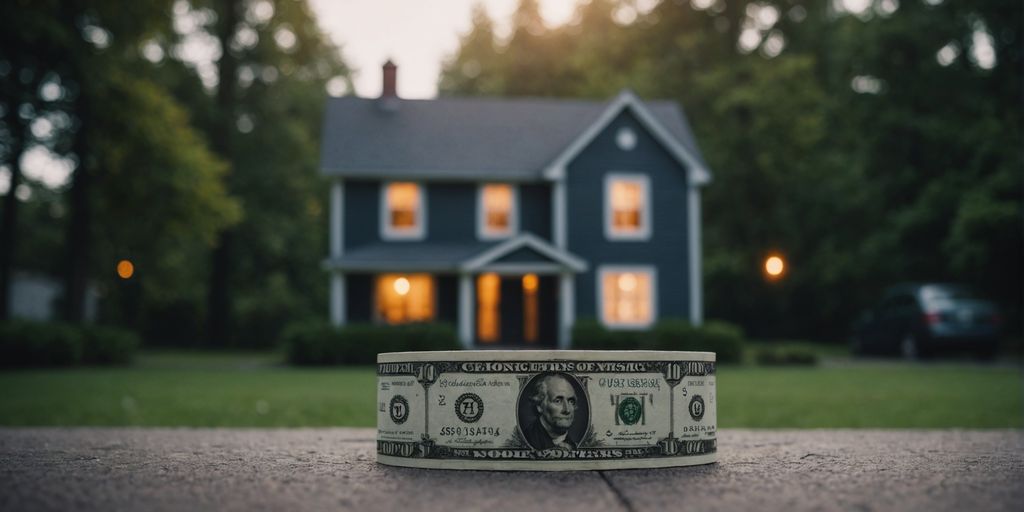
Closing costs can be a big financial hurdle when buying a home. These costs include home appraisal fees, title insurance, prepaid property taxes, and homeowners insurance, usually totaling 2% to 5% of the purchase price. However, many lenders offer no-closing-cost mortgages. Your lender will pay off your closing costs, and in exchange, you agree to a slightly higher interest rate. This can be a financial lifeline that gets you into a home sooner. While you won’t pay closing costs upfront, you’re not getting out of paying them entirely.
Conclusion
Choosing CASH FOR HOUSES today can be a game-changer for anyone looking to sell their home quickly and without hassle. From avoiding the lengthy traditional selling process to getting a fair cash offer, the benefits are clear. You can skip the repairs, showings, and waiting, and move on to your next adventure with ease. If you’re in a hurry or just want a straightforward sale, CASH FOR HOUSES is definitely worth considering. It’s a simple, fast, and stress-free way to sell your home and get on with your life.
Frequently Asked Questions
What is the benefit of attending an open house with home buyers?
Attending an open house lets you see the property up close, ask questions directly to the seller or agent, and get a feel for the neighborhood.
How can I buy a house at an auction?
To buy a house at an auction, research upcoming auctions, secure financing, and be ready to bid. It’s important to understand the auction rules and have a set budget.
What are some common real estate scams and how can I avoid them?
Common scams include fake listings, wire fraud, and title fraud. Always verify the legitimacy of listings, use secure payment methods, and consult a trusted real estate agent.
Can I make a cash offer on a house if I have a mortgage?
Yes, you can make a cash offer even if you have a mortgage. This can make your offer more attractive to sellers as it shows you are serious and prepared.
What factors are included in a monthly mortgage payment?
A monthly mortgage payment typically includes the loan principal, interest, property taxes, and homeowners insurance.
Do I need to pay closing costs upfront?
No, you don’t always have to pay closing costs upfront. Sometimes, these costs can be rolled into your mortgage or paid by the seller as part of the negotiation.